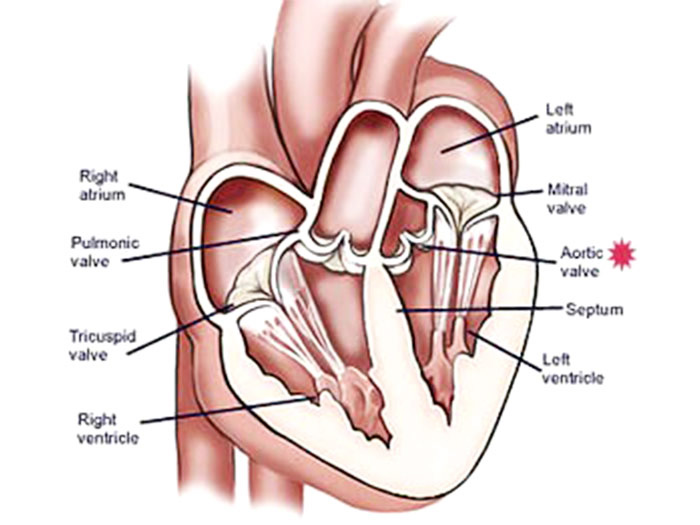
What is heart valve surgery?
Heart valve surgery is a cardiac surgery procedure used to repair or replace one or more malfunctioning heart valves. At leading heart valve clinics in Mumbai, the procedure is commonly recommended to treat valvular heart disease.
There are four major valves in the heart: mitral, tricuspid, pulmonary, and aortic valves. Each valve has flaps called leaflets or cusps, that open and close once during every heartbeat to maintain healthy blood flow.
Why do I need treatment for valve ?
Heart valve issues can be congenital or acquired later in life. Heart valve surgery is performed when valves don’t open (stenosis) or close (regurgitation) properly, disrupting blood flow through the heart. If left untreated, this can lead to serious complications requiring heart valve replacement surgery in Mumbai..
Heart valve replacement or repair can be done using open-heart or minimally invasive approaches, depending on the condition’s severity, the patient’s age, and overall health.
Heart valve surgery is done to treat heart valve disease. There are two basic types of heart valve problems:
- A narrowing of a valve (stenosis)
- A leak in a valve that allows blood to flow backward (regurgitation)
You might need heart valve surgery if you have heart valve disease that is affecting your heart's ability to pump blood.
When do I need surgery?
If your condition is mild or asymptomatic, your doctor might recommend monitoring and medication. However, if symptoms worsen or valve damage is severe, surgical intervention such as aortic valve surgery in Mumbai may be required.
In some cases, valve surgery is combined with other heart surgeries to optimize treatment outcomes.
Sometimes, doctors recommend heart valve surgery even for those who don't have symptoms. If you need heart surgery for another condition, doctors might perform heart valve repair or replacement at the same time. Together, you and your doctor should discuss whether heart valve surgery is right for you and if minimally invasive heart surgery is an option.
What type of surgery do I need?
Your doctor will discuss with you whether heart valve repair or replacement is more appropriate for your condition. Doctors often recommend heart valve repair when possible, as it preserves your heart valve and might preserve heart function. But sometimes valve replacement is necessary and the best option.
Doctors might also evaluate if you're a candidate for minimally invasive heart surgery. Your doctor will discuss the benefits and risks of each procedure.
What you can expect?
You'll receive anesthetics to put you in a sleep-like state during the procedure. You'll be connected to a heart-lung bypass machine, which keeps blood moving through your body during the procedure.
Heart valve surgery can be performed using standard open-heart surgery, which involves cutting your chest through your breastbone. Minimally invasive heart surgery involves smaller incisions than those used in open-heart surgery.
Heart valve repair
Your doctor may often recommend heart valve repair when possible, as it saves the heart valve and may preserve heart function. Heart valve repair surgery may include:
- Patching holes in a valve
- Reconnecting valve flaps (leaflets or cusps)
- Removing excess valve tissue so that the leaflets or cusps can close tightly
- Replacing cords that support the valve to repair the structural support
- Separating valve flaps that have fused
- Tightening or reinforcing the ring around the valve (annulus)
- Some heart valve repair procedures are done using a long, thin tube (catheter) and clips, plugs or other devices.
Heart valve replacement
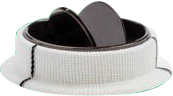
If your heart valve can't be repaired and a catheter-based procedure isn't an option, the valve might need to be replaced. To replace a heart valve, your doctor removes the heart valve and replaces it with a mechanical valve or a valve made from cow, pig or human heart tissue (biological tissue valve).
Mechanical valve
Bio Prosthetic Valve
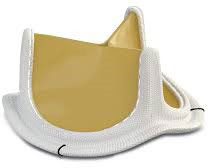
Biological valves often eventually need to be replaced, as they break down over time. If you have a mechanical valve, you'll need to take blood-thinning medications for the rest of your life to prevent blood clots. Doctors will discuss with you the risks and benefits of each type of valve.
After your heart valve surgery, you'll generally spend a day or more in the intensive care unit (ICU). The breathing tube will remain in your throat until you are awake and able to breathe on your own You'll receive fluids and medications through an IV. Other tubes drain urine from the bladder and fluid and blood from the chest. You might be given oxygen through a mask or nasal prongs in your nose.
After you complete your stay in the ICU, you'll likely be moved to another hospital room for several days. How long you'll stay in the hospital depends on your condition and surgery.
After heart valve surgery, your treatment team will monitor your condition and watch for signs of infection at the incision sites. The team will check your blood pressure, breathing and heart rate. The team will also work with you to manage any pain you have after surgery.
You'll likely be asked to walk regularly to gradually increase your activity, and to cough and to do breathing exercises as you recover.
You'll be given instructions to follow during your recovery, such as:
- Watching for signs of infection in your incisions
- Taking your medications
- Properly caring for wounds
- Managing pain and other side effects after your surgery
Results
After heart valve surgery, your doctor will tell you when you can return to activities.
You'll need to attend regular follow-up appointments with your doctor. You might have several tests to evaluate and monitor your condition.
Your doctor may recommend making healthy lifestyle changes to keep your heart working well. Examples of heart-healthy lifestyle changes are:
- Eating a healthy diet
- Getting regular exercise
- Managing stress
- Avoiding tobacco use
Important Links: Best Heart Surgeon in Prabhadevi | Best Bypass Surgeon In Prabhadevi | Best Cardiologist In Prabhadevi | Best Tavi in Prabhadevi | Best Angioplasty in Prabhadevi | Best Transplant Doctor in Prabhadevi
