
Where Surgical Expertise Meets Advanced Care
Cardiac Thoracic ExpertiseAdvanced Cardiac Thoracic Care, Delivered with Precision
At Revive Heart Institute, every procedure is designed with patient safety, comfort, and long-term outcomes in mind. Dr. Vishal Pingle combines global expertise with hands-on experience, ensuring that even complex interventions are approached with clarity and precision.
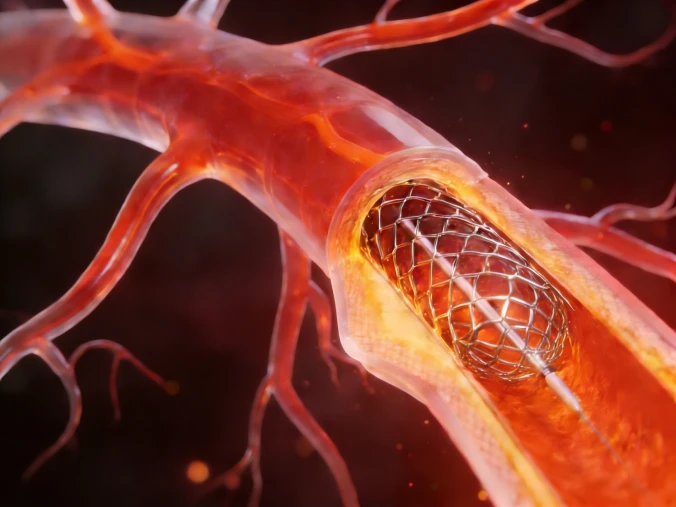
Angiography & Angioplasty
Coronary angiography is a diagnostic procedure that maps the heart’s arteries using contrast dye and X-ray imaging. It allows precise identification of narrowed or blocked segments and helps determine the most appropriate treatment strategy. If a blockage is suitable for minimally invasive correction, angioplasty may be performed during the same session. A small balloon is advanced to the narrowed area and inflated to widen the artery. In most cases, a stent (a tiny mesh tube) is placed to keep the vessel open and maintain blood flow. Angioplasty is less invasive than bypass surgery and usually performed under local anesthesia with light sedation. Patients often recover quickly, with short hospital stays and early return to daily activities. However, not all blockages can be treated effectively with stents. Factors such as the number of blocked vessels, their location, calcification, and overall heart function guide the choice between angioplasty and surgical bypass. The priority is always long-term durability and safety rather than short-term convenience. Post-procedure care includes medication to prevent clot formation, risk-factor control, and structured follow-up to maintain artery health and prevent recurrence.
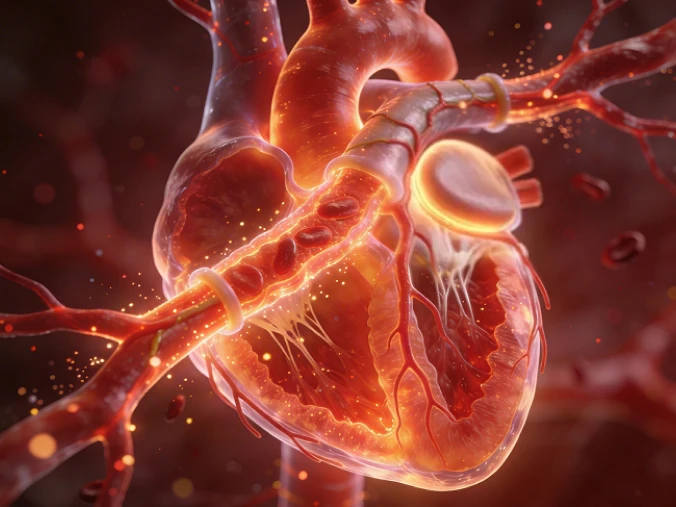
Heart Bypass Surgery (CABG)
Coronary Artery Bypass Grafting (CABG) is performed when blockages are extensive, involve multiple vessels, or are not suitable for stenting. Instead of removing the blockage, the surgeon creates new pathways for blood flow using healthy blood vessels taken from the chest wall, arm, or leg. These grafts reroute blood around narrowed segments, ensuring the heart muscle receives adequate oxygen supply. CABG is often recommended for patients with complex coronary disease, diabetes-related vessel involvement, or reduced heart pumping strength. The decision is based on detailed angiographic findings, heart function tests, and long-term outcome considerations. In many cases, bypass surgery offers more durable results compared to repeated stenting. The procedure is carefully planned to preserve heart muscle function and minimize surgical risk. Advanced monitoring techniques and structured operative planning improve safety and precision. Recovery typically involves a short stay in intensive care followed by monitored hospital recovery. Cardiac rehabilitation, lifestyle modification, and medication optimization play an essential role in ensuring long-term success. The ultimate objective is sustaining blood flow, improved stamina, and meaningful reduction in future cardiac risk.
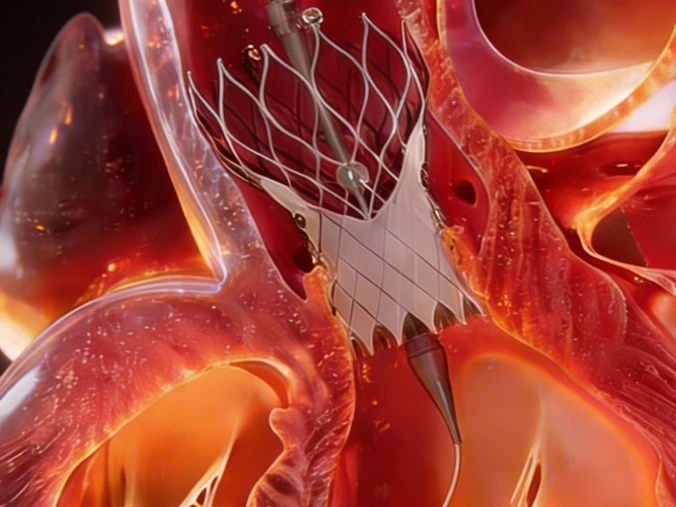
TAVI (Transcatheter Aortic Valve Implantation)
TAVI is a minimally invasive procedure designed to replace a severely narrowed aortic valve without traditional open-heart surgery. Instead of opening the chest, a new valve is delivered through a catheter which is commonly inserted through an artery in the groin and positioned within the diseased valve. This technique is particularly beneficial for older patients or those considered high risk for conventional surgery. Because it avoids a large chest incision, recovery is typically faster; hospital stays are shorter, and physical stress is reduced. However, TAVI is not automatically the best option for every patient. Factors such as age, valve anatomy, calcification pattern, and expected long-term durability must be carefully assessed. In younger or lower-risk individuals, surgical valve replacement may still provide more durable outcomes. Comprehensive evaluation by a multidisciplinary heart team ensures that the selected approach balances safety, durability, and long-term benefit. After TAVI, patients undergo regular monitoring to confirm stable valve function and sustained cardiac performance.
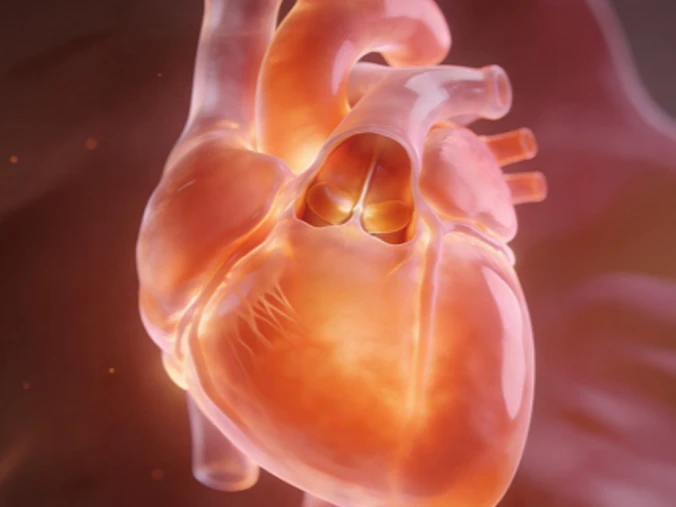
Heart Valve Repair & Replacement
When a heart valve does not function properly, surgery may be required to restore normal blood flow. Whenever possible, valve repair is preferred. Repair preserves the patient’s natural valve structure, maintains more natural heart mechanics, and often reduces the need for lifelong medication. It is especially beneficial in mitral and certain tricuspid valve conditions. However, if the valve is severely damaged, calcified, or structurally unsuitable for repair, replacement becomes necessary. In such cases, the diseased valve is replaced with either a mechanical valve or a biological (tissue) valve. The choice depends on age, lifestyle, medical history, and long-term durability expectations. Timing is critical for valve disease. Operating too late can lead to irreversible weakening of the heart muscle. The aim is to intervene at the optimal stage when surgery can restore function while minimizing long-term risk. Post-surgery, patients are closely monitored for valve performance and heart recovery. Regular follow-up, medication management where required, and imaging assessments ensure sustained improvement and stable heart function for years ahead.
Aortic Surgery
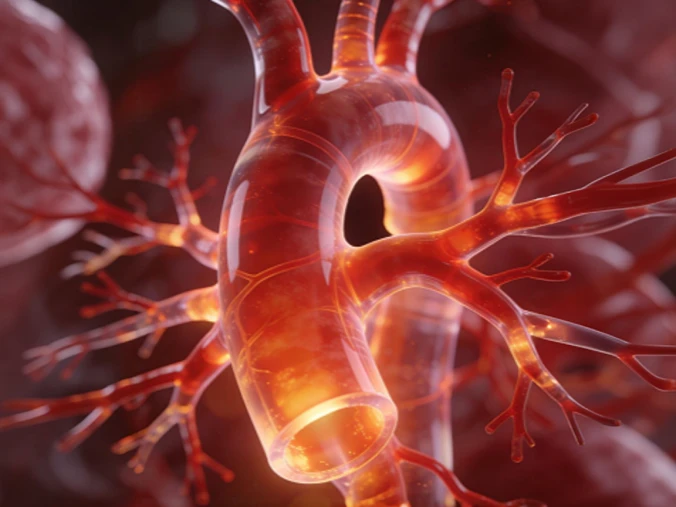
The aorta is the body’s main artery, carrying blood from the heart to every organ. Conditions such as aneurysms (abnormal enlargement) or dissections (tears in the vessel wall) can become life-threatening if not addressed in time. Aortic surgery is among the most complex areas of cardiovascular care. It requires detailed imaging analysis, careful timing of intervention, and precise intraoperative control. The objective is to prevent rupture or progression while preserving as many natural vascular functions as possible. Depending on the location and severity of disease, surgery may involve replacing a segment of the aorta with a synthetic graft or reconstructing affected portions to restore structural stability. These procedures demand coordinated operating room strategy and advanced monitoring techniques. Recovery involves structured cardiovascular follow-up, blood pressure control, and long-term imaging surveillance to ensure stability. When performed at the appropriate stage, aortic surgery provides durable protection and restores confidence in long-term vascular health.
Minimally Invasive & Robotic Cardiac Surgery
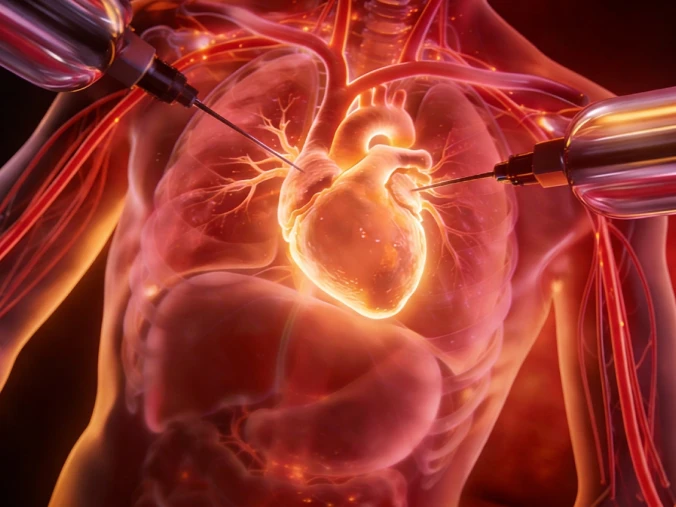
Minimally invasive and robotic-assisted cardiac surgery allow certain heart conditions to be corrected through smaller incisions rather than traditional full sternotomy. These techniques are used for selected valve procedures, coronary bypass in specific cases, and other structural heart conditions. By avoiding large chest openings, patients often experience reduced post-operative pain, lower blood loss, shorter hospital stays, and quicker return to daily activity. Cosmetic benefits are secondary; the primary goal remains safe and complete correction of the heart condition. Robotic platforms provide magnified, high-definition 3D visualization and highly controlled instrument movement within confined spaces. However, technology is only effective when paired with structured surgical planning and strong anatomical understanding. Not every patient is a candidate for minimally invasive surgery. Careful evaluation ensures that the chosen approach does not compromise long-term outcomes. The emphasis remains on precision, safety, and durability using advanced tools where appropriate, while always prioritizing what is best for the individual patient.
Mechanical Circulatory Support (LVAD & ECMO)
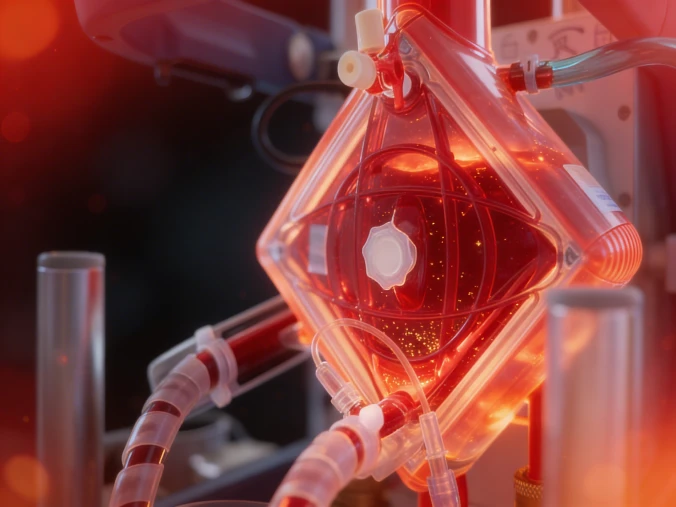
For patients with advanced heart failure, mechanical circulatory support devices can temporarily or permanently assist with the heart pumping function. These include LVADs (Left Ventricular Assist Devices) and ECMO (Extracorporeal Membrane Oxygenation). An LVAD is a surgically implanted mechanical pump that supports blood circulation when the left ventricle becomes too weak. It may serve as a bridge to transplant or longer-term therapy in selected patients. ECMO, on the other hand, provides short-term life support in critical situations by temporarily taking over the function of the heart and lungs. Implantation and management of these devices require comprehensive planning, critical care expertise, and continuous monitoring. Patient education plays a vital role in long-term device management and recovery. Mechanical support therapy focuses on stabilizing circulation, improving organ function, and providing patients with time either to recover, await transplantation, or regain meaningful functional capacity.
Heart Transplant
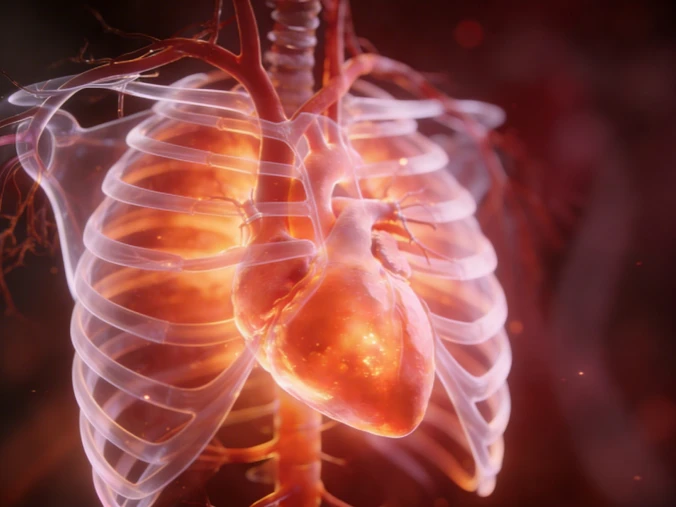
Heart transplantation is considered when severe heart failure no longer responds to medication or conventional surgery. In this procedure, the diseased heart is replaced with a healthy donor heart, offering patients a renewed chance at improved quality of life and long-term survival. Successful transplantation requires careful patient selection, precise timing, and coordinated multidisciplinary planning. Not every patient with heart failure qualifies for transplant; detailed evaluation ensures that the procedure offers meaningful benefit and sustainable outcomes. The surgery itself is highly specialized and demands meticulous intraoperative management. Post-operatively, patients require close monitoring in intensive care, followed by structured rehabilitation. Lifelong immunosuppressive medication is necessary to prevent rejection of the donor heart. Long-term follow-up is an essential part of transplant care. Regular assessments, medication management, infection prevention, and lifestyle guidance all contribute to durable results. When appropriately indicated and carefully executed, heart transplantation can restore functional capacity and allow patients to return to active daily life.
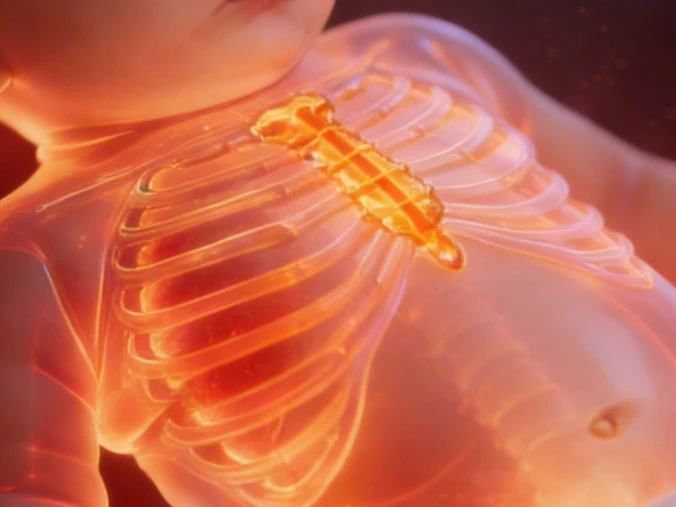
Congenital & Pediatric Cardiac Surgery
Congenital heart disease refers to structural abnormalities of the heart that are present from birth. Some conditions are diagnosed in infancy or childhood, while others may remain undetected until adolescence or adulthood. In certain cases, patients who underwent corrective surgery earlier in life may require further procedures later on. Management of congenital heart defects requires careful anatomical assessment and individualized surgical planning. Each defect is unique — involving variations in chambers, valves, blood vessels, or circulation pathways. The goal of surgery is to restore efficient blood flow, reduce strain on the heart, and support long-term cardiovascular function. Timing of intervention is critical. Surgery is planned to maximize benefit while minimizing surgical risk and protecting heart development. In adults with congenital heart disease, special consideration is given to previous repairs and long-term structural changes. Post-operative care includes close monitoring of heart performance, medications when necessary, and structured long-term follow-up. Many patients go on to lead active, fulfilling lives after successful corrections. The emphasis remains on durability, safety, and preserving heart function over decades.
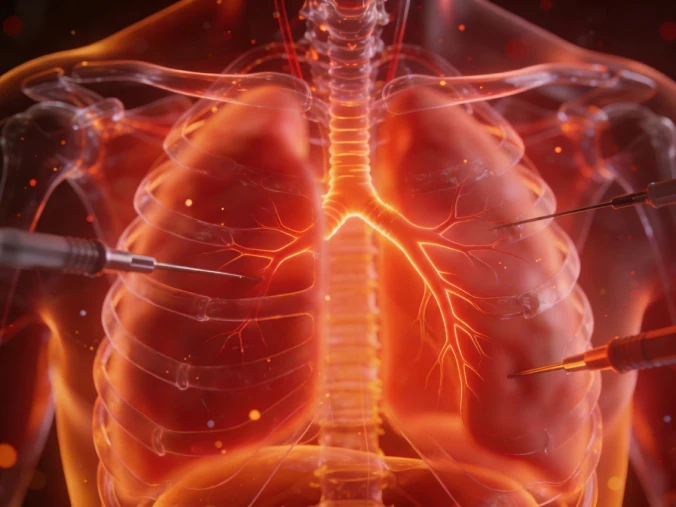
Thoracic Surgery
Thoracic surgery addresses diseases within the chest cavity, including lung tumors, infections, structural abnormalities, and other complex conditions. The objective is to remove or correct disease while preserving as much healthy lung tissue as possible. Detailed imaging and functional assessment guide for surgical planning. In many cases, minimally invasive techniques may be used to reduce recovery time and surgical trauma. Post-operative care focuses on respiratory rehabilitation, pain management, and gradual return to activity. Long-term follow-up ensures stable breathing capacity and continued chest health.
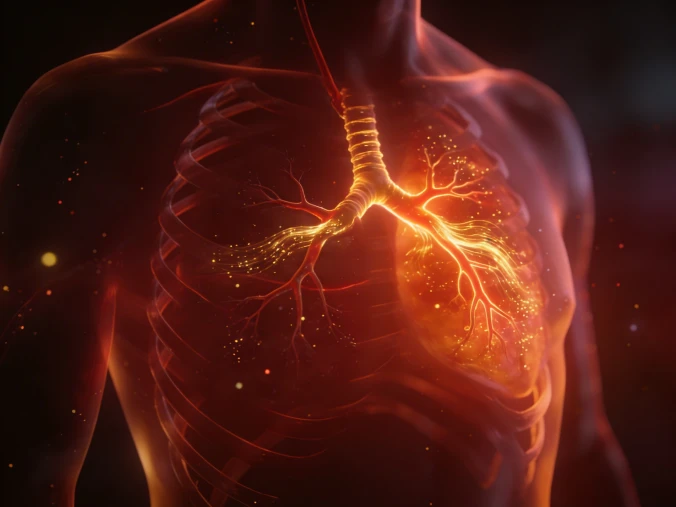
Lung Transplant
Lung transplantation is performed for patients with advanced, irreversible lung disease who continue to experience severe symptoms despite optimal medical management. In this procedure, one or both diseased lungs are replaced with healthy donor lungs to restore breathing capacity. Patient selection is highly structured, involving pulmonary specialists, transplant coordinators, and surgical evaluation. Success depends not only on surgical precision but also on coordinated pre-operative preparation and long-term post-operative care. After surgery, patients require intensive monitoring, immunosuppressive therapy to prevent rejection, and pulmonary rehabilitation to regain strength. Lifelong follow-up ensures early detection of complications and maintenance of lung function. When appropriately indicated, lung transplantation can significantly improve independence, exercise tolerance, and overall daily functioning.

Peripheral Arterial Disease Surgery
Peripheral arterial disease (PAD) occurs when narrowed arteries reduce blood flow to the limbs, most commonly the legs. Patients may experience pain while walking, non-healing wounds, or reduced mobility. If untreated, severe cases can threaten limb viability. Surgical intervention aims to restore adequate circulation and prevent complications. Depending on disease severity, treatment may involve bypassing blocked segments or restoring flow through vascular reconstruction techniques. Decision-making considers overall cardiovascular health, extent of arterial narrowing, and long-term mobility goals. The objective is not only symptom relief, but preservation of limb function and prevention of recurrence. Recovery includes structured monitoring of blood flow, medication optimization, lifestyle modification, and rehabilitation. With appropriate treatment and follow-up, patients can regain mobility and maintain vascular health over time.