


Dr. Vishal Pingle’s practice includes cardiac
surgery and heart and lung transplantation, with training in surgical techniques
gained through international experience.
Practice PhilosophyDecisions grounded in outcomes

Every heart condition has its own course, and treatment can range from medical management to surgery or transplantation. The approach depends on the condition, its severity and the individual patient’s needs. Dr. Vishal Pingle’s practice spans cardiac surgery, complex heart conditions and heart and lung transplantation, with each treatment decision guided by clinical findings and the options appropriate to the patient.
5,000+ cardiac and thoracic procedures
![5,000+ cardiac and thoracic procedures]()
120+ heart and lung transplants
![120+ heart and lung transplants]()
UK and European fellowship training
![UK and European fellowship training]()


5,000+ cardiac and thoracic procedures

120+ heart and lung transplants

UK and European fellowship training
Clinical Focus Depth across critical domains
Dr. Pingle travels internationally to learn emerging cardiac techniques and bring them home to India. From robotic surgery in Germany to TAVI workshops in the UK, his patients benefit from world-class innovations.
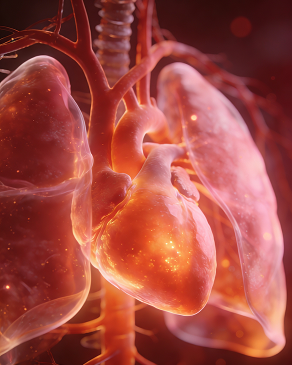
Heart Failure & Transplant Care
Advanced heart failure management, transplant surgery, mechanical circulatory support, and follow-up care.
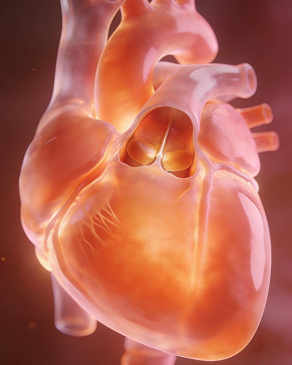
Valve Repair & Replacement
Emphasis on repair strategies preserving native valve function for long-term outcomes.
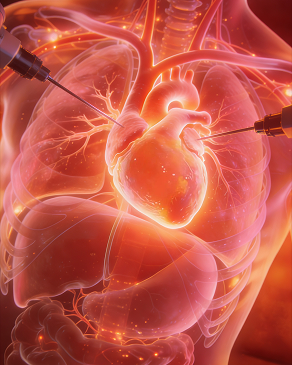
Minimally Invasive & Robotic Cardiac Surgery
Targeted approaches reducing recovery time while maintaining precision.
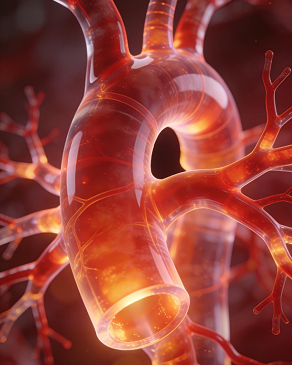
Aortic & Coronary Surgery
Treatment of complex aortic disease and coronary artery disease using tailored techniques
Surgical ApproachA considered approach to every decision
Surgery is one component of cardiac care, timing and selection are equally critical.
Each patient evaluation
includes
- 1
Clear definition of the
underlying problem - 2
Assessment of disease
progression - 3
Review of procedural options
and expected outcomes - 4
Recommendations with full
transparency around benefits,
risks, and recovery
BlogsFrom operating rooms in Mumbai to training labs in Europe


The Longest Journey in Heart Surgery Happens Before the Operation
When people think about heart surgery, they usually imagine the operation itself. The operating room. The surgical team. The monitors, equipment, and hours spent in surgery. But for many patients, the most difficult part of the journey happens long before the first incision is ever made. It begins with symptoms. A diagnosis. A conversation. And… Continue reading The Longest Journey in Heart Surgery Happens Before the Operation
Read More

Why Your Heart Feels Different After 40, Even If Life Feels the Same
Most people do not notice the exact moment their body changes. It does not happen dramatically. There is no single morning where you wake up and suddenly feel old. Instead, it appears quietly through small differences that are easy to ignore at first. Climbing stairs feels slightly heavier. Recovery after a long day takes longer. Sleep becomes more important than it… Continue reading Why Your Heart Feels Different After 40, Even If Life Feels the Same
Read More

“My Cholesterol Is High, But I Feel Fine.” Do I Really Need Treatment?
It’s one of the most common reactions after a routine blood test. “My cholesterol is high… but I feel completely normal.” No chest pain. No breathlessness. No warning signs. So, the natural question follows: if nothing feels wrong, is it really a problem? The answer is yes, and here’s why. High cholesterol doesn’t cause symptoms… Continue reading “My Cholesterol Is High, But I Feel Fine.” Do I Really Need Treatment?
Read MoreFAQAnswers to Your Questions About Heart & Lung Care
Understanding your condition, treatment options, and recovery can make a huge difference in confidence and outcomes. Here are answers to the most common questions patients and families ask about cardiac and thoracic care.